Cultural identity has teeth and claws in this sharp social horror that explores the cultural reckoning of four Indigenous men forced to reckon with the sins of their youth when they abandon longstanding Blackfeet traditions.
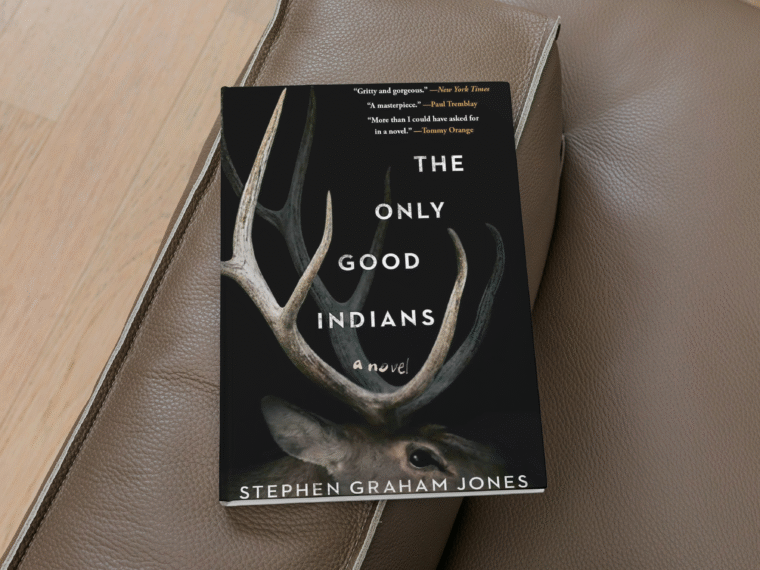
The Only Good Indians Book Review
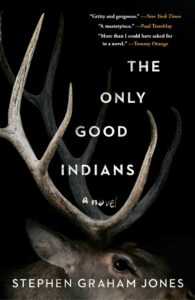 Genre: Horror, Social Horror, Slasher
Publish Date: July 14, 2020
Author: Stephen Graham Jones is an Indigenous New York Times Bestselling author whose love of horror and slashers shows throughout his work. He’s rapidly becoming my go-to author for social horror novels. Rich with cultural themes and spellbinding horror, Jones is guaranteed to leave you equal parts awestruck and horrified.
Themes: Cultural identity, Intergenerational trauma, Guilt and redemption
Content Warnings: Animal cruelty, animal death, body horror, blood and gore
The Only Good Indians Summary
When four Indigenous teenagers choose to abandon the traditions of their culture, they cause a cataclysmic shift that changes their identity, impacts their future, and creates a shift in the natural order. Thirteen years later, an entity comes to unleash a cultural reckoning seeking retribution for what was taken from them so long ago. Each man must face the consequences of their decisions while being forced to acknowledge the culture that shaped their identity.
Craft & Style
One reason I’m eager to explore Jones’s backlist is his unique writing style. The intimacy with which he writes makes it feel simultaneously epic and ordinary. For instance, we follow Ricky’s storyline in the beginning of the novel, where repetition and atmospheric elements turn a seemingly ordinary night at the bar into an ominous event. Furthermore, being privy to Ricky’s internal struggles with his cultural identity, loneliness, and desperation to carve out a nice life for himself set the tone for what to expect in this novel. This combination of devices immerses you in the story and creates a connection with the character, so that you feel like you know them within the span of twelve pages.
Next, there’s the unabashed way he explores cultural topics by laying out the facts, giving you space to develop your own thoughts and opinions. He doesn’t force your hand or guide you toward what you should think or how you should respond—creating a dynamic conversation between the reader and author that evolves throughout the novel. Throughout the book, I found my perspective challenged as the novel’s scope widened and new information or commentary was introduced.
The novel’s title, The Only Good Indians, is the perfect setup for the themes of this novel. It confronts the racist history of this term, which dates back to the 1800’s and the anti-Indigenous sentiments of the time. The title also addresses stereotypes and cultural politics regarding what makes a “good Indian,” which homogenizes Indigenous identity to fit a singular narrative instead of embracing diversity, individuality, and the freedom to pursue interests that don’t fall into cultural expectations or societal ideals.
Finally, Jones writes horror that’s three-dimensional and engages all five senses. Vivid descriptions and visceral scenes capture the foreboding, fear, and gruesome elements, revealing powerful insights into the themes through symbolism and motifs. I would love to share my favorite horror scenes, but one, that’s spoilery, and two, do you really want me to go into depth about gore and violence and its symbolic meaning? I mean, I feel that’s a bit too macabre even for me.
Emotional Impact
Despite Jones being a member of a different ethnic group than I am and having vastly dissimilar experiences with racism, intersectionality exists, and throughout The Only Good Indians, I found validation as Jones laid bare my thoughts, feelings, lived experiences, and personal struggles with my cultural identity.
He speaks to the continual fight to balance the two extremes of maintaining your cultural relevance in a world that appropriates and dilutes your culture while also fighting to justify that it’s okay to move past cultural norms to experience things that shape personal identity and cater to individual preferences and interests and how this doesn’t equate to denying your culture or want to be another culture.
Representation
I respect how Jones never dilutes Blackfeet culture to make it accessible to non-Indigenous audiences. This approach decenters the reader, making you feel like an outsider trying to figure out the nuances and context of different phrases, traditions, and references. This novel forces you to examine your implicit bias, giving you a taste of what it feels like to be an outsider, and it is a powerful literary device.
Notable Strengths
First, the fast pace at the beginning immediately introduces the conflict, setting the story’s atmosphere and tone. Second, there is strong character development. The meat of this novel is the inner conflict over the characters’ cultural identity, what it means to be a “good Indian,” and how their past forces them to reckon with these challenges. Each character reflects a layer of the theme woven into the novel’s overall meaning. Lastly, the social commentary was sharp and brilliant. Again, Jones is undefeated at illustrating these complex realities while highlighting hard-hitting truths.
Potential Hurdles
All the factors that make this a magnificent novel also work against it. When it comes to readability, this novel is complex and challenging. For new readers, the novel’s sentence structure, prose, and stream-of-consciousness style may pose difficulties. The story requires high concentration and critical engagement. Do not be surprised if you have to reread passages or consider the symbolism and metaphors to understand the context. Lastly, the change in pacing and shift in focus toward more character-driven plot points that support the themes explored in this novel may lose those who prefer fast-paced, plot-driven horror.
Deeper Reflections
What this novel highlights is how easy it is to judge minorities and marginalized individuals who we perceive to “abandon” their cultural norms, traditions, and identity in favor of the majority or mainstream. It’s so quick to label them as sellouts desperate to assimilate or attain proximity to power, wealth, whiteness, or the dominant majority.
The Only Good Indians invites you to pause and consider that maybe it’s less about self-hatred and divorcing themselves from their culture or ethnicity, and everything to do with survival and the inalienable right to pursue your identity and assert your individualism that suits your needs and lifestyle without carrying the collective weight of your race and ethnicity on your shoulders. And how heavy and lonely it is to maintain specific beats to maintain residence in your cultural identity for fear of being excommunicated when it comes to cultural politics and minor infractions that create intracultural division.
Let’s also not forget how cultural issues impact the capital “C” community and the lower “c” community. Many minorities and marginalized groups struggle with stigma surrounding mental health, gender identity, and sexuality, with many not feeling supported or seen by those within their culture when facing these issues.
Cultural identity is one factor that makes up a person’s authentic identity. It’s essential to address each person as an individual within a diverse community rather than as a culmination of stereotypes and monolithic behaviors.
Who I’d Recommend Read This?
The Only Good Indians is ideal for readers who enjoy social horror and Jordan Peele movies such as Get Out and Us. You’ll also have a wonderful time with this novel if you enjoy slasher tropes and novels with complex storytelling. Make sure to read my review of The Buffalo Hunter Hunter